Quick answer
Four of the seven major video doorbell brands require a monthly subscription to save video recordings. Ring, Nest, and Arlo charge $5 to $13 per month for cloud storage. eufy, Reolink, Amcrest, and TP-Link Tapo offer free local storage with no ongoing fees. Over five years, subscription costs can exceed the price of the doorbell itself.
Video doorbells have become one of the most common smart home devices, but the true cost of ownership extends far beyond the purchase price. Several major brands lock core features behind monthly subscriptions that add up to hundreds of dollars over the life of the product.
This comparison breaks down exactly what each doorbell subscription includes, what you lose without it, and which alternatives give you full functionality with no monthly fees. We tested all seven services and doorbell platforms covered here to verify feature availability, storage limits, and detection accuracy.
Subscription cost quick reference
| Service | Monthly Cost | Annual Cost | Video History | Local Storage | 5-Year Cost |
|---|---|---|---|---|---|
| Ring Protect Basic | $4.99 | $49.99 | 180 days | No | $249.95 |
| Ring Protect Plus | $12.99 | $129.99 | 180 days | No | $649.95 |
| Nest Aware (Standard) | $8.00 | $80.00 | 30 days | No | $400.00 |
| Nest Aware Plus | $12.00 | $120.00 | 60 days | No | $600.00 |
| Arlo Secure | $7.99 | $89.99 | 30 days | No | $449.95 |
| Arlo Secure Premier | $12.99 | $149.99 | 30 days | No | $749.95 |
| eufy | $0.00 | $0.00 | Local (unlimited) | Yes | $0.00 |
| Reolink | $0.00 | $0.00 | microSD / NVR | Yes | $0.00 |
| Amcrest | $0.00 | $0.00 | microSD / NVR | Yes | $0.00 |
| TP-Link Tapo | $0.00 | $0.00 | microSD | Yes | $0.00 |
Full specifications comparison
| Product | Score | Price | Subscription |
|---|---|---|---|
| Ring Protect (Basic) Most Popular | 7.2 | $4.99/mo or $49.99/yr | Yes (for video history) |
| Nest Aware Best AI Detection | 7.5 | $8/mo or $80/yr | Yes (for video history) |
| Arlo Secure Widest Ecosystem | 7 | $7.99/mo or $89.99/yr | Yes (for most features) |
| eufy Battery Doorbell 2K Best No-Sub Value | 8.5 | US $99.99 / CA $110 | No |
| Reolink Video Doorbell WiFi Best for NVR | 8.2 | US $59.99 / CA $150 | No |
| Amcrest AD410 Budget Pick | 7.8 | US $59.99 / CA $55 | No |
| TP-Link Tapo Doorbell Rising Pick | 7.6 | US $79.99 / CA $110 | No |
What you get free vs what requires a subscription
Understanding exactly which features are locked behind a paywall is essential before choosing a doorbell platform. Here is a detailed breakdown of what each brand provides at no cost and what requires an active subscription.
| Feature | Ring (Free) | Ring (Paid) | Nest (Free) | Nest (Paid) | eufy |
|---|---|---|---|---|---|
| Live view | Yes | Yes | Yes | Yes | Yes |
| Two-way audio | Yes | Yes | Yes | Yes | Yes |
| Motion notifications | Yes | Yes | Yes | Yes | Yes |
| Video recording/history | No | Yes | 3 hrs only | Yes | Yes |
| Person detection | No | Yes | Yes | Yes | Yes |
| Package detection | No | Plus only | Yes | Yes | Yes |
| Familiar face detection | No | No | No | Yes | Yes |
| Video sharing/download | No | Yes | No | Yes | Yes |
Subscription-based doorbell services
These platforms require an active monthly or annual subscription to access video recording history and advanced detection features. Without a subscription, functionality is significantly limited.
Ring Protect
Basic: $4.99/mo ($49.99/yr) | Plus: $12.99/mo ($129.99/yr) | 180-day video history
Subscription details
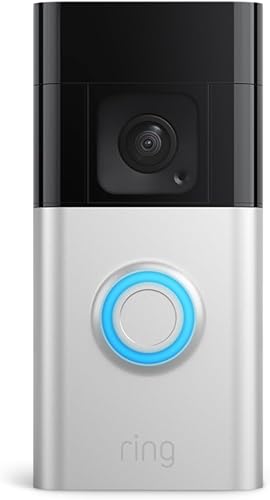
Ring Protect Basic covers a single camera for $4.99 per month and includes 180-day video history in the cloud, video sharing and downloading, and snapshot capture every 3 minutes. Ring Protect Plus covers unlimited cameras at $12.99 per month and adds 24/7 professional monitoring for Ring Alarm, extended warranty on all Ring devices, and 10% discount on Ring.com purchases. The Plus plan also unlocks rich notifications with thumbnail previews and advanced person-only motion detection.
Without Ring Protect, your Ring doorbell becomes a live-view-only device. You can see who is at the door in real time and use two-way audio, but the moment you close the app, that footage is gone permanently. Ring does not offer any local storage alternative on any of its doorbell products.
Pros
- + Cheapest basic tier at $4.99/mo for a single camera
- + 180-day video history is the longest retention among subscription services
- + Plus plan includes professional monitoring for Ring Alarm system
- + Large user community and widespread compatibility with Alexa
Cons
- - No local storage option on any Ring doorbell
- - No Google Home or Apple HomeKit integration
- - Person detection and smart alerts require subscription
- - Without subscription, the doorbell cannot save any video at all
Nest Aware
Standard: $8/mo ($80/yr) for 30-day history | Plus: $12/mo ($120/yr) for 60-day history
Subscription details
Nest Aware Standard at $8 per month includes 30-day event video history, intelligent alerts for people, packages, animals, and vehicles, and activity zones for targeted detection. Nest Aware Plus at $12 per month extends event history to 60 days and adds 10 days of continuous 24/7 video recording (wired doorbells only). Both tiers include familiar face detection, which learns to identify regular visitors and labels them by name in your event history.
Without Nest Aware, the Nest Doorbell still provides free 3-hour event history, basic motion and person alerts, and live view with two-way audio. This makes the Nest doorbell one of the more functional options without a subscription compared to Ring, though 3 hours of history is extremely limited for practical security use.
Pros
- + Best-in-class AI detection for people, packages, animals, and vehicles
- + Familiar face detection included in the base tier
- + Free 3-hour event history provides some utility without subscription
- + 24/7 continuous recording available on Plus tier for wired models
Cons
- - Most expensive base tier at $8/mo with only 30-day history
- - No local storage option available
- - No Alexa or HomeKit integration
- - Locked into Google ecosystem exclusively
Arlo Secure
Secure: $7.99/mo ($89.99/yr) | Premier: $12.99/mo ($149.99/yr) | 30-day video history
Subscription details
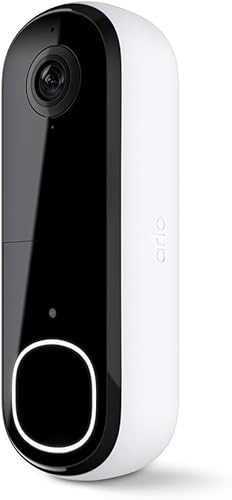
Arlo Secure at $7.99 per month covers unlimited cameras and includes 30-day cloud video history, interactive notifications with thumbnail previews, activity zones, and object detection for people, vehicles, animals, and packages. Arlo Secure Premier at $12.99 per month adds 4K cloud recording (where hardware supports it), emergency response integration, and theft replacement for stolen Arlo devices.
Without Arlo Secure, functionality is severely restricted. Arlo recently removed the free 7-day cloud storage that originally came with its cameras, leaving free users with only live view, basic motion alerts, and two-way audio. This aggressive paywall strategy has frustrated many long-time Arlo users. The one advantage Arlo holds is the widest ecosystem support among subscription doorbells, working with Alexa, Google Home, Apple HomeKit, and SmartThings.
Pros
- + Widest smart home ecosystem support including HomeKit
- + Unlimited cameras on a single plan
- + Theft replacement included in Premier tier
- + Strong object detection across multiple categories
Cons
- - Removed free cloud storage that was originally included
- - Only 30-day history even on the most expensive plan
- - Aggressively gates basic features behind the paywall
- - No local storage alternative available
Get smarter about smart home
We put together a complete guide to building a smart home without monthly fees. Covers cameras, doorbells, locks, and sensors that work with local storage and open protocols.
No spam. Unsubscribe anytime.
No-subscription doorbell alternatives
These doorbells provide full video recording and smart detection features without any monthly fees. All footage is stored locally on the device, a microSD card, or a network video recorder.
eufy Video Doorbells (No Subscription)
$100-$180 one-time | Built-in local storage | On-device AI processing
Storage and features
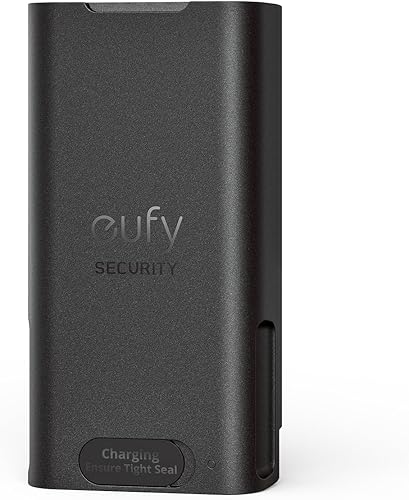
eufy doorbells store all video recordings on built-in local storage (typically 8GB of eMMC flash memory) within the doorbell itself or on the eufy HomeBase unit. There is no microSD card slot, but the internal storage holds approximately 60 days of motion-triggered event clips. All AI processing happens on the device itself using a dedicated neural processing chip, which means person detection, package detection, and familiar face recognition all work without any cloud connection or subscription fee.
The eufy Battery Doorbell 2K records at 2560x1920 resolution with HDR, a significant upgrade over the 1080p output of most Ring and Nest doorbells. Two-way audio, customizable motion zones, and quick responses are all included at no additional cost. Select eufy models also support Apple HomeKit, making eufy the only no-subscription doorbell brand with HomeKit compatibility.
Pros
- + Zero subscription fees with full feature access
- + On-device AI for person, package, and familiar face detection
- + 2K resolution exceeds most subscription-based competitors
- + Select models support Apple HomeKit
- + Battery and wired options available
Cons
- - Built-in storage cannot be expanded (no microSD slot)
- - No RTSP or ONVIF for third-party NVR integration
- - Past controversy over cloud data handling despite local-first claims
- - Limited cloud backup if local storage fails
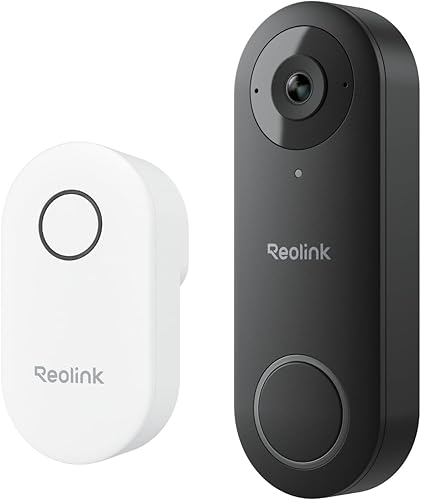
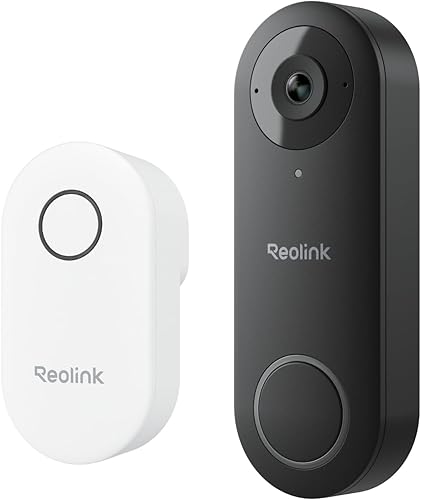
Reolink Video Doorbell (No Subscription)
$80-$130 one-time | microSD or NVR storage | Wi-Fi and PoE models
Storage and features
Reolink doorbells support microSD card storage (up to 256GB) for standalone recording and integrate seamlessly with Reolink NVR systems for centralized multi-camera recording. The PoE model connects directly to a Reolink NVR via a single Ethernet cable that provides both power and data, eliminating the need for Wi-Fi or batteries entirely. This makes Reolink the most reliable option for always-on recording without any cloud dependency.
On-device AI provides person and vehicle detection at no cost. The Reolink Video Doorbell WiFi records at 2K resolution (2560x1920) with a wide 180-degree vertical field of view that captures visitors from head to toe. Two-way audio, customizable motion zones, and time-lapse recording are all included. Reolink also supports ONVIF, which means you can integrate the doorbell with third-party NVR software like Blue Iris or Frigate.
Pros
- + microSD and NVR storage options for flexible recording
- + PoE model available for the most reliable wired connection
- + ONVIF support for third-party NVR integration (Blue Iris, Frigate)
- + 180-degree vertical field of view captures full-body shots
- + Excellent value at $80-$130 with no ongoing costs
Cons
- - No battery-powered model available
- - No Apple HomeKit support
- - App experience is less polished than Ring or Nest
- - Requires existing doorbell wiring or PoE infrastructure
Amcrest AD410 (No Subscription)
$80-$110 one-time | microSD or NVR storage | Wired only
Storage and features
The Amcrest AD410 records to a microSD card (up to 256GB) and supports RTSP and ONVIF for direct integration with third-party NVR systems and home automation platforms. This makes it a favorite among home security enthusiasts who run their own NVR software like Blue Iris, Frigate, or Synology Surveillance Station. The AD410 records at 2K resolution with HDR and includes on-device person detection at no cost.
The Amcrest AD410 is a wired-only doorbell that connects to standard 16-24V AC doorbell wiring. It does not have a battery option. The build quality is solid for the price, and the wide-angle lens provides a good field of view for the front door area. The Amcrest Smart Home app provides basic functionality, but the real strength of this doorbell is its open protocol support for advanced users.
Pros
- + RTSP and ONVIF support for maximum flexibility with NVR software
- + Lowest price point among quality no-subscription doorbells
- + 2K resolution with HDR at a budget price
- + Strong community support among home security enthusiasts
Cons
- - Wired only with no battery option
- - No Google Home integration
- - App experience is basic compared to Ring or eufy
- - Slightly higher false positive rate on person detection
TP-Link Tapo Doorbell (No Subscription)
$80-$120 one-time | microSD storage | Battery and wired models
Storage and features
TP-Link Tapo doorbells store recordings on a microSD card (up to 512GB) inserted into the doorbell or the Tapo Hub unit. No subscription is needed for video recording, person detection, or smart notifications. The Tapo app provides a clean, modern interface that is among the better experiences in the no-subscription category. Tapo doorbells record at 2K resolution and include features like anti-theft alerts, customizable motion zones, and quick reply messages.
Tapo is a newer entrant in the doorbell market, but TP-Link brings decades of networking hardware experience. Both battery and wired models are available. The Tapo Hub adds a chime unit that doubles as a microSD storage location, keeping the card accessible inside the home rather than in the outdoor doorbell unit. Alexa and Google Home integration are both supported for voice control and smart display viewing.
Pros
- + Clean, modern app with good user experience
- + microSD support up to 512GB for extended recording
- + Battery and wired models available
- + Competitive pricing with Alexa and Google Home support
Cons
- - Newer brand with smaller user community for troubleshooting
- - No Apple HomeKit or ONVIF/RTSP support
- - Limited third-party NVR integration
- - Firmware updates have occasionally caused temporary issues
Total cost of ownership over 5 years
The real cost of a video doorbell includes both the hardware purchase and any ongoing subscription fees. Here is what each option costs over a five-year period, assuming the base subscription tier and mid-range hardware pricing.
| Doorbell | Hardware | Year 1 Sub | 5-Year Sub | 5-Year Total |
|---|---|---|---|---|
| Ring + Protect Basic | $150 | $49.99 | $249.95 | $399.95 |
| Nest + Aware Standard | $180 | $80.00 | $400.00 | $580.00 |
| Arlo + Secure | $150 | $89.99 | $449.95 | $599.95 |
| eufy Battery Doorbell 2K | $130 | $0.00 | $0.00 | $130.00 |
| Reolink Video Doorbell | $100 | $0.00 | $0.00 | $100.00 |
| Amcrest AD410 | $90 | $0.00 | $0.00 | $90.00 |
| TP-Link Tapo Doorbell | $100 | $0.00 | $0.00 | $100.00 |
The difference is stark. A Ring doorbell with the basic subscription costs roughly four times more than a eufy doorbell over five years, and the eufy actually records at higher resolution. The Nest and Arlo combinations cost five to six times more than a Reolink or Amcrest alternative. Unless you specifically need deep integration with Alexa (Ring), Google Home (Nest), or HomeKit (Arlo), the no-subscription alternatives deliver better value in almost every measurable way.
The bottom line
The video doorbell subscription model is increasingly difficult to justify when capable no-subscription alternatives exist at the same or lower hardware prices. Ring, Nest, and Arlo all make excellent hardware, but their business models depend on locking essential features behind monthly paywalls that add up to hundreds of dollars over the life of the product.
For most households, the eufy Battery Doorbell 2K is the best overall choice. It combines subscription-free recording with on-device AI, 2K resolution, and the widest ecosystem support among no-subscription brands (including Apple HomeKit on select models). If you want the most flexible recording setup with NVR and ONVIF support, the Reolink Video Doorbell WiFi is the better pick. If budget is the primary concern, the Amcrest AD410 delivers 2K recording with full RTSP/ONVIF support for under $100.
The only scenarios where a subscription service makes clear sense are: you are deeply invested in the Alexa ecosystem and want professional monitoring (Ring Protect Plus), you prioritize AI detection accuracy above all else and use Google Home (Nest Aware), or you need HomeKit support and prefer a cloud-based system (Arlo Secure). For everyone else, the math favors going subscription-free.