Quick answer
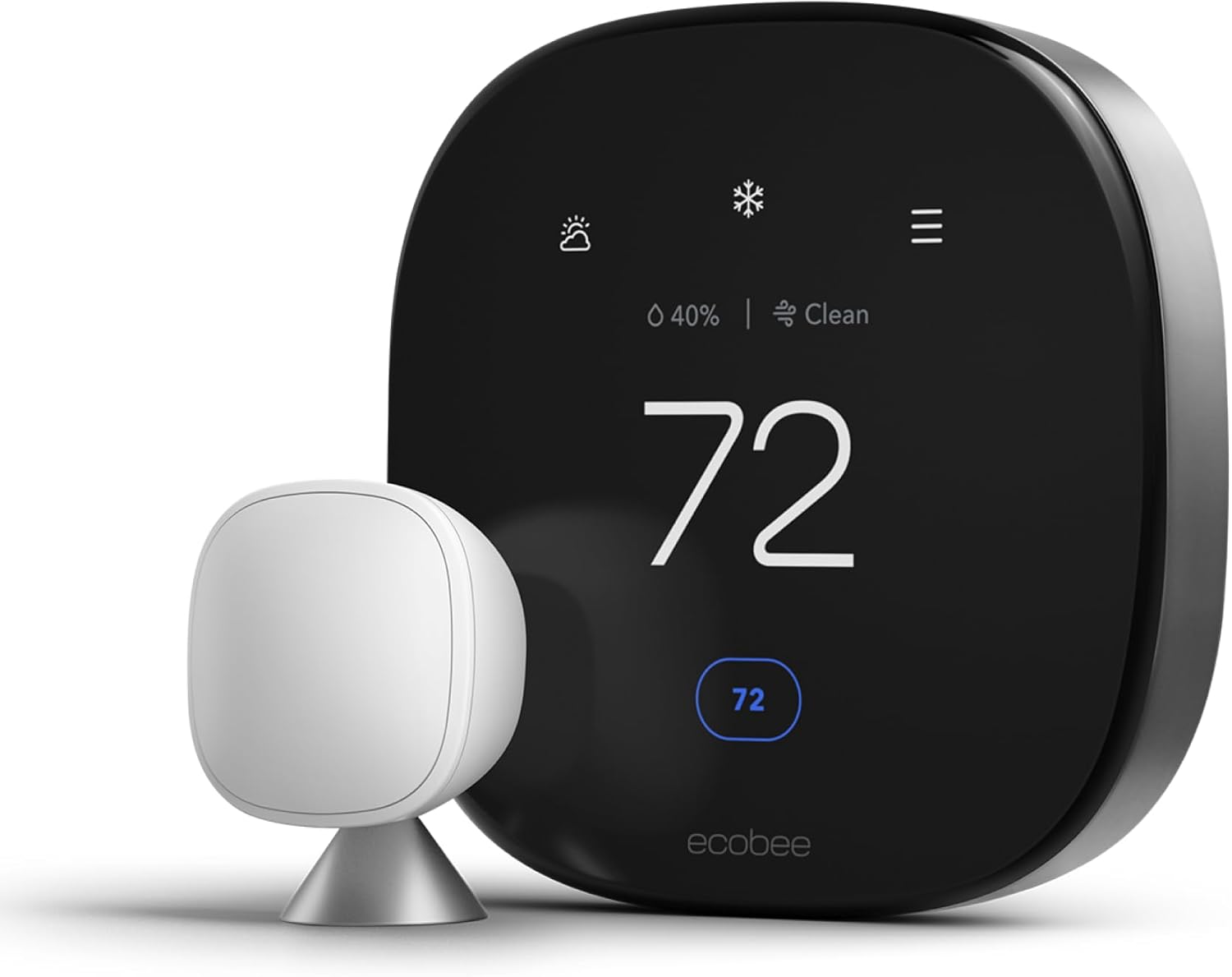
The Ecobee Smart Thermostat Premium is the best smart thermostat for most households in 2026. It earns the top spot with an 8.7 score thanks to included room sensors, built-in air quality monitoring, Siri and Alexa and Google Assistant support, and Matter compatibility. The Nest Learning Thermostat 4th gen is the runner-up at 8.5 with a stunning display and strong Google Home integration, but it locks you into the Google ecosystem. For budget buyers, the Ecobee Enhanced at 8.2 beats the Nest Thermostat 2024 at 7.9 on ecosystem breadth and features.
| Product | Score | Price | Subscription |
|---|---|---|---|
| Ecobee Smart Thermostat Premium Best Overall | 8.7 | $219-$249 | No |
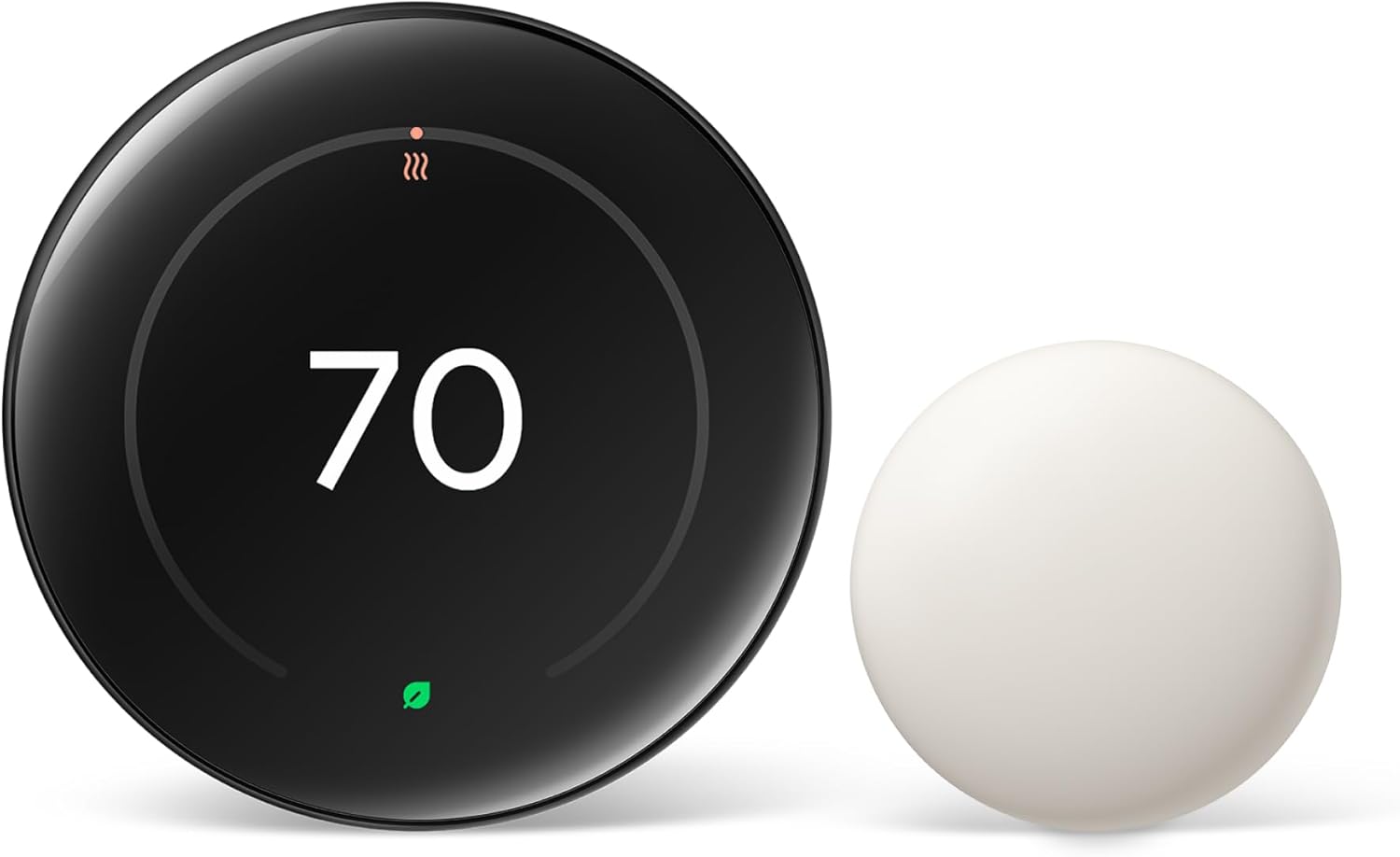
| Google Nest Learning Thermostat 4th Gen Best Design | 8.5 | $279-$299 | No (Nest Aware optional) |
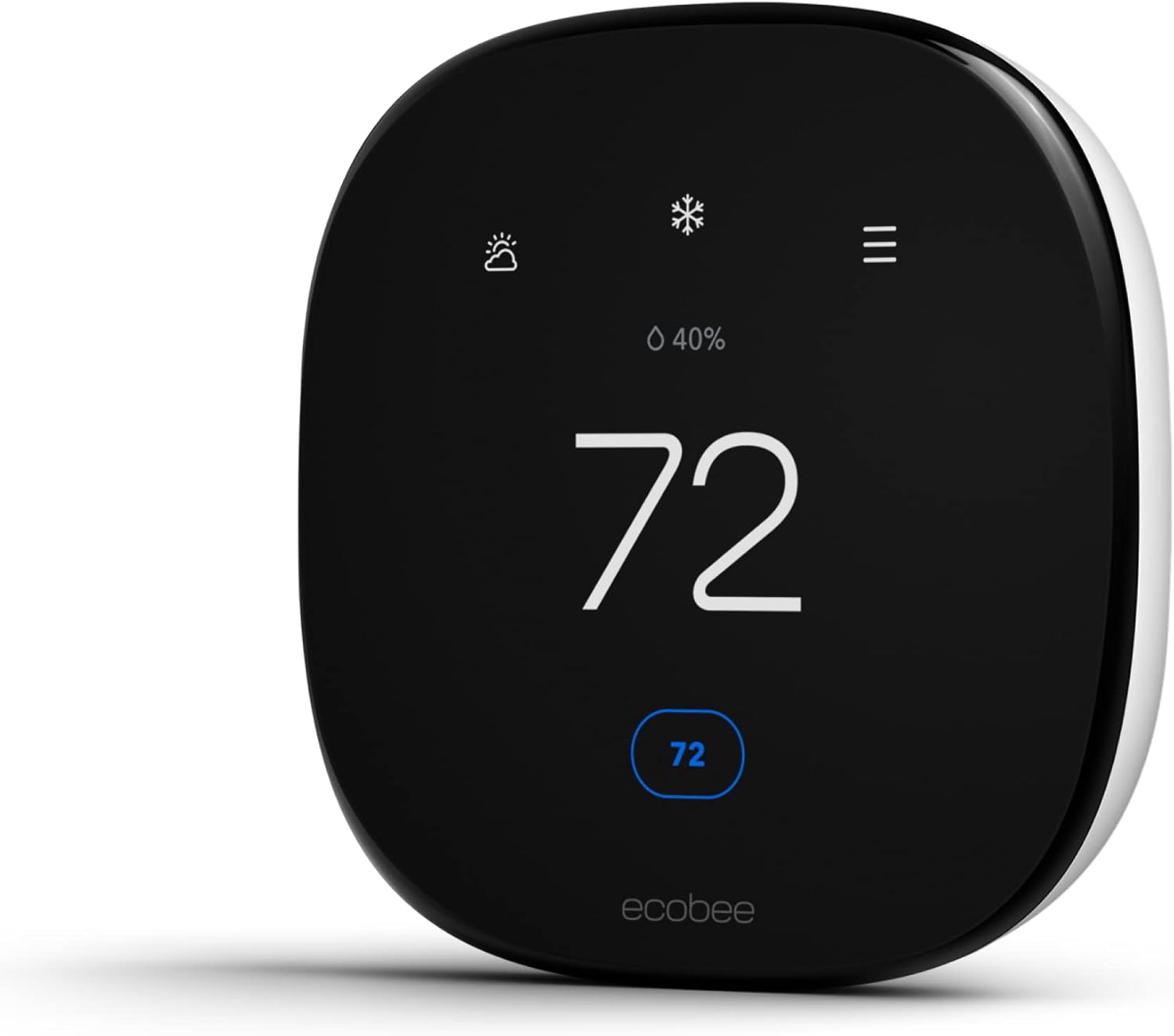
| Ecobee Smart Thermostat Enhanced Best Value | 8.2 | $169-$189 | No |
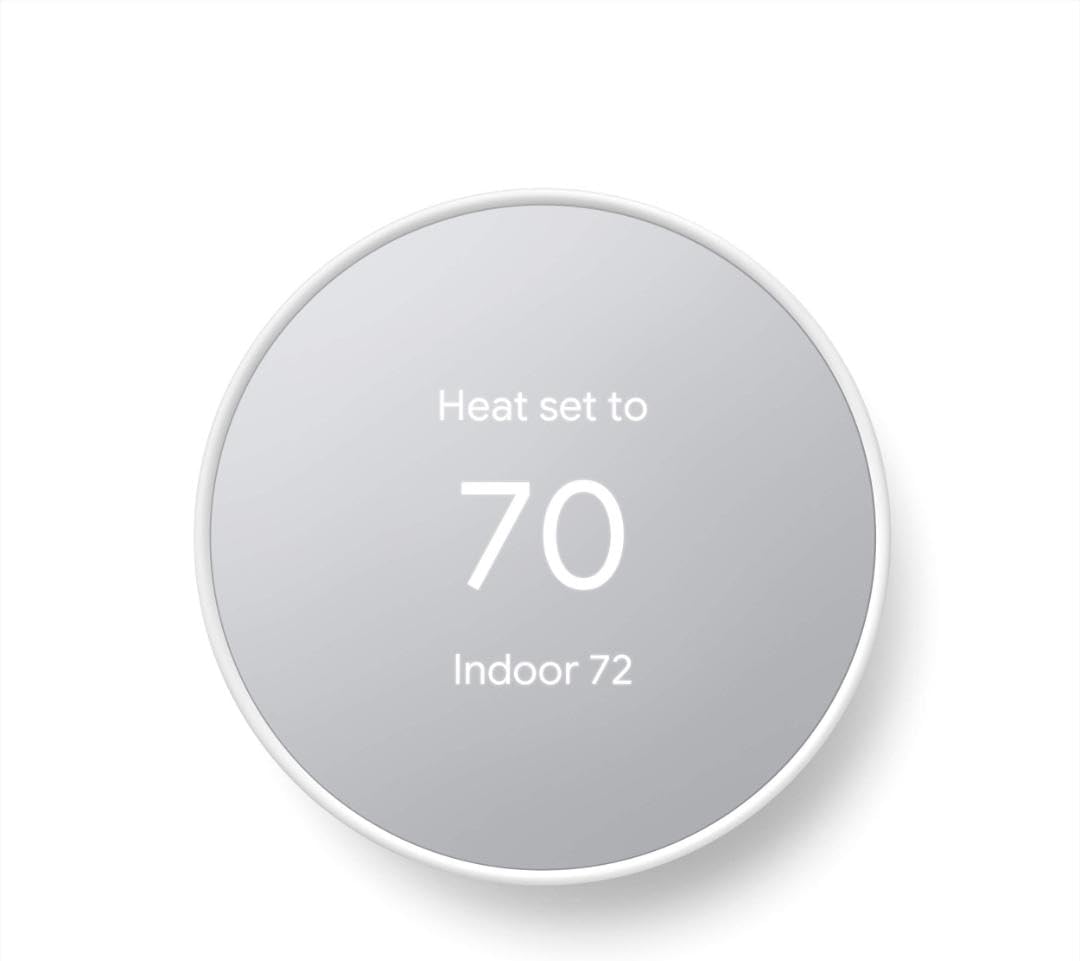
| Google Nest Thermostat 2024 Budget Pick | 7.9 | $129-$149 | No |
Bottom line
The Ecobee Smart Thermostat Premium wins this comparison on overall feature set, ecosystem flexibility, and room sensor support. The Nest Learning Thermostat 4th gen is the better choice if you live entirely inside the Google ecosystem and want the most attractive hardware on the market. At the budget tier, Ecobee Enhanced edges out the Nest Thermostat 2024 by offering HomeKit support and room sensor compatibility that the Nest simply cannot match.
All four thermostats deliver meaningful energy savings and responsive scheduling. The differences come down to ecosystem preference, whether you value room sensors, and how much you want to spend. Below, we break down each thermostat in detail.
How we evaluated these thermostats
We scored each thermostat across eight weighted categories: ecosystem compatibility (20%), energy savings and scheduling intelligence (15%), room sensor support (15%), HVAC compatibility and installation (15%), display and interface quality (10%), air quality and sensor features (10%), Matter and future-proofing (10%), and overall value relative to price (5%). Each category was scored on a 1-10 scale, and the weighted average produces the final score you see next to each product.
We prioritized ecosystem compatibility heavily because a smart thermostat that does not work with your existing voice assistant or smart home platform is a frustrating purchase regardless of how good its other features are. Room sensors received a high weight because they are one of the few smart thermostat features that deliver measurable comfort improvements in multi-room homes.
We also considered long-term reliability, app quality, software update frequency, and customer support responsiveness. Both Ecobee and Google have solid track records for pushing firmware updates and maintaining their apps, though Ecobee's customer support is generally easier to reach directly. Google routes thermostat support through the broader Google Home support channels, which can be slower for specific HVAC troubleshooting questions.
Price comparisons reflect typical retail pricing at the time of writing. Both brands frequently appear in seasonal sales (Prime Day, Black Friday, and holiday promotions), and utility company rebate programs can reduce the effective cost of any ENERGY STAR certified thermostat by $50-$100 depending on your provider. Check with your local utility before purchasing, as rebates can significantly change the value equation.
Key differences between Ecobee and Nest
Ecosystem and voice assistant support
This is the single biggest differentiator between Ecobee and Nest. Ecobee thermostats work with Apple HomeKit and Siri, Amazon Alexa, Google Home and Google Assistant, Samsung SmartThings, and IFTTT. The Ecobee Premium adds Matter on top of all that. Nest thermostats work exclusively with Google Home and Google Assistant. The Nest Learning Thermostat 4th gen adds Matter support, which provides basic cross-platform control, but the experience outside of Google Home is limited.
If you have an iPhone and use Siri, or if you have Echo speakers throughout your home, Ecobee is the clear choice. If your entire household runs on Google Home speakers, Nest displays, and Android phones, the Nest thermostats integrate more tightly with that specific ecosystem.
Room sensors
Ecobee includes one SmartSensor with the Premium model and sells additional sensors for about $40 each (or $80 for a two-pack). These sensors measure both temperature and occupancy, allowing the thermostat to prioritize comfort in the rooms where people actually are. This is particularly valuable in multi-story homes, homes with hot or cold spots, and homes where the thermostat is in a hallway that does not reflect the temperature in living spaces.
Nest does not offer separate room sensors for any of its thermostats. The Nest Learning Thermostat relies on its built-in temperature sensor, built-in motion sensor, and phone location data to determine occupancy. This works reasonably well for small homes and apartments, but it falls short in larger homes where the thermostat location does not represent the temperature in bedrooms or other living areas.
Air quality monitoring
The Ecobee Smart Thermostat Premium is the only thermostat in this comparison with built-in air quality monitoring. It tracks volatile organic compounds (VOCs) and estimated CO2 levels, displaying air quality data on the thermostat screen and in the Ecobee app. It can also trigger your HVAC fan or ventilator to improve air circulation when air quality drops.
No Nest thermostat offers air quality monitoring. If indoor air quality is a concern for your household -- for example, if someone has allergies or asthma, or if you live in an area prone to wildfire smoke -- the Ecobee Premium provides useful data that no Nest model can match.
Display and hardware design
The Nest Learning Thermostat 4th gen has the most visually impressive hardware. Its domed mirror-glass face with an edge-to-edge customizable LCD display is a genuine design achievement. It looks premium on any wall, and the three finish options (polished silver, gold, and obsidian) let you match your decor. The display shows weather, time, and ambient information when you are not adjusting the temperature.
The Ecobee Premium has a more utilitarian but highly functional design. Its full-color touchscreen is bright and responsive, and the zinc-alloy bezel gives it a solid, premium feel. The touchscreen makes it easier to interact with settings, schedules, and sensor data directly on the device without opening an app. It is not as pretty as the Nest, but it is more functional as a standalone interface.
The budget models follow their respective brand aesthetics. The Ecobee Enhanced has a smaller version of the Premium's touchscreen. The Nest Thermostat 2024 has a simplified mirror-finish face that looks clean but lacks the wow factor of the Learning model.
Matter support and future-proofing
Matter is the smart home standard backed by Apple, Google, Amazon, and Samsung. It promises cross-platform device compatibility, so a Matter thermostat should work with any Matter-compatible controller regardless of brand. Two of the four thermostats in this comparison support Matter: the Ecobee Smart Thermostat Premium and the Google Nest Learning Thermostat 4th gen.
For most buyers today, Matter support is a nice-to-have rather than a must-have. But if you are investing in a thermostat you plan to keep for five or more years, Matter compatibility ensures you will not be locked out if you switch smart home platforms in the future. The Ecobee Enhanced and Nest Thermostat 2024 do not support Matter, which limits their long-term flexibility.
It is worth noting that Matter support for thermostats is still maturing. The current Matter thermostat specification covers basic temperature control and scheduling, but advanced features like room sensor management, air quality data, and detailed energy reporting still rely on each manufacturer's native app and ecosystem integrations. Over time, Matter should expand to cover more of these features, which will further reduce the importance of native ecosystem support. Until then, the native app experience remains essential for getting the most out of your thermostat.
Energy savings and scheduling intelligence
All four thermostats use some form of intelligent scheduling and occupancy detection to reduce energy waste. The Nest Learning Thermostat 4th gen is arguably the most hands-off: it watches when you adjust the temperature and builds a schedule automatically over the first week or two of use. The longer you use it, the better it gets at predicting your preferences. This works remarkably well for households with consistent routines.
Ecobee takes a different approach. Rather than learning from manual adjustments, Ecobee uses a combination of scheduled comfort settings (which you configure) and Smart Home/Away detection (which automatically switches modes based on sensor occupancy and phone geofencing). You can set different comfort profiles for morning, daytime, evening, and night, and the thermostat will follow those schedules while adjusting for actual occupancy.
In practice, both approaches deliver similar energy savings of 20-25 percent on heating and cooling bills for most households. The Nest approach requires less upfront configuration but can take a week or two to optimize. The Ecobee approach gives you more immediate control and works better in households with irregular schedules, since the room sensors detect occupancy in real time rather than predicting it from past patterns.
Installation and HVAC compatibility
Both Ecobee and Nest thermostats are designed for DIY installation and work with most standard 24V HVAC systems. The key difference is how they handle homes without a C-wire (common wire), which provides continuous power to the thermostat.
Ecobee includes a Power Extender Kit (PEK) in the box with both the Premium and Enhanced models. The PEK connects to your furnace control board and provides the necessary power without requiring an electrician to run a new wire. The installation process is well-documented in the Ecobee app with visual wiring guides.
Nest thermostats do not include a C-wire solution. Instead, they use battery trickle charging, drawing small amounts of power through the heating and cooling wires to charge an internal battery. This works in many homes, but it can cause problems with certain HVAC configurations, particularly heat pump systems and some high-efficiency furnaces. When trickle charging fails, the thermostat can power cycle your HVAC system unexpectedly, which is both annoying and potentially damaging.
Both brands provide in-app compatibility checkers that walk you through identifying your existing wiring before you buy. We recommend running both the Ecobee and Google Home compatibility tools before making a purchase decision. If your wiring is unusual or your HVAC system is complex (such as a dual-fuel setup or a multi-zone system), consult with an HVAC technician before installing any smart thermostat.
App quality and software experience
The Ecobee app is straightforward and well-organized. Scheduling is intuitive, sensor management is easy, and energy reports are clearly presented with actionable suggestions. The app supports geofencing for automatic home and away switching and allows you to create comfort profiles for different times of day. The interface is consistent across iOS and Android.
The Google Home app handles Nest thermostat control as part of the broader Google Home device management interface. It is a polished app, but thermostat settings are nested within the overall home management structure rather than being a dedicated experience. Energy reports in Google Home are detailed and visually appealing. The Nest app, which was the dedicated thermostat app before Google consolidated everything into Google Home, has been largely deprecated in favor of the Google Home app.
Both apps support remote control from anywhere with an internet connection, push notifications for temperature alerts and filter reminders, and integration with their respective voice assistants. Neither app requires a subscription for core thermostat functionality, though Google offers optional Nest Aware subscriptions for camera features that do not affect thermostat performance.
Warranty and long-term support
Ecobee offers a three-year limited warranty on both the Premium and Enhanced models. Google provides a one-year limited warranty on Nest thermostats, which is notably shorter. Both companies have good track records for long-term software support -- the original Nest Learning Thermostat from 2011 still receives updates -- but the longer hardware warranty from Ecobee provides additional peace of mind for a device that runs your HVAC system 24 hours a day.
Smart thermostats are long-term purchases. Most buyers keep their thermostat for five to ten years, so the ecosystem you choose today will affect your smart home for years to come. This is another reason we lean toward Ecobee's multi-platform approach: even if you switch from iPhone to Android or from Alexa to Google Home, your Ecobee thermostat will continue to work with your new setup. A Nest thermostat locks you into Google's ecosystem for the life of the device.
Detailed product reviews
Below, we break down each of the four thermostats with scores, pros and cons, compatibility details, and current pricing. Products are listed in order of our ranking, from highest to lowest score.
Ecobee Smart Thermostat Premium
The Ecobee Smart Thermostat Premium is the most feature-complete smart thermostat you can buy today. It ships with one SmartSensor for room-level temperature and occupancy detection, and you can add more sensors to cover your entire home. The built-in air quality monitor tracks indoor VOCs and CO2, a feature no Nest thermostat offers. The bright touchscreen display with a zinc-alloy bezel gives you full control without reaching for your phone.
Ecosystem support is where the Premium truly separates itself. It works natively with Apple HomeKit and Siri, Amazon Alexa (with a built-in speaker and microphone for hands-free control), Google Home, Samsung SmartThings, and IFTTT. It also supports Matter, which means it will work with future smart home platforms out of the box. No Nest thermostat matches this breadth.
The Premium includes a Power Extender Kit for homes without a C-wire, which eliminates one of the most common installation headaches. HVAC compatibility is broad, covering most 24V forced-air systems, heat pumps with up to two stages, and conventional systems with up to two stages of heating and cooling. It also supports humidifier, dehumidifier, and ventilator accessory wiring.
Energy reporting in the Ecobee app is detailed and actionable. You get monthly and annual energy usage summaries, comparisons to similar homes in your area, and specific recommendations for schedule adjustments that could reduce your energy bills. The thermostat also integrates with many utility company demand response programs, which can earn you credits or rebates for reducing usage during peak demand periods.
The built-in Alexa speaker and microphone mean you can use the Premium as a basic Echo device. You can ask Alexa questions, set timers, control other smart home devices, and play music through the thermostat's speaker. The audio quality is adequate for a hallway or kitchen but will not replace a dedicated smart speaker. This feature is exclusive to the Premium; the Enhanced does not have it.
Ecobee Smart Thermostat Premium
Pros
- + Included SmartSensor for room-level comfort
- + Built-in air quality monitoring (VOC and CO2)
- + Works with Siri, Alexa, and Google Assistant natively
- + Matter support for future-proof interoperability
- + Built-in Alexa speaker and microphone
- + Power Extender Kit included for homes without C-wire
Cons
- - Costs more than the Nest Learning Thermostat 4th gen at retail
- - Touchscreen can attract fingerprints
- - Additional SmartSensors sold separately ($40 each)
Get smarter about smart home
Join Smart Home Weekly for the best deals, no-subscription picks, and practical buying advice. Free, once a week.
No spam. Unsubscribe anytime.
Google Nest Learning Thermostat 4th Gen
The Nest Learning Thermostat 4th gen is the most visually striking thermostat in this comparison. Google completely redesigned it with a large, edge-to-edge LCD display under a domed mirror-glass finish that looks more like a piece of art than a thermostat. It comes in three finishes: polished silver, polished gold, and polished obsidian. If how the thermostat looks on your wall matters to you, Nest wins this category outright.
Under the surface, the 4th gen Nest brings meaningful upgrades over its predecessor. It supports Matter and Thread for mesh networking with other smart home devices. The adaptive learning algorithms are refined, and it uses built-in motion sensors plus phone location data to switch between home and away modes automatically. The Nest app and Google Home app provide detailed energy usage reports and suggestions for optimizing your schedule.
The biggest limitation is ecosystem lock-in. The Nest Learning Thermostat 4th gen does not support Apple HomeKit or Amazon Alexa. Matter support provides some cross-platform capability, but the experience is best when paired with a Google Home ecosystem. There are no separate room sensors available, so multi-room temperature balancing relies on the built-in sensor and your HVAC system's zoning capabilities.
Google's energy reporting is a strong point. The Home app shows daily, weekly, and monthly energy usage breakdowns with clear visualizations. The Nest Savings Finder feature analyzes your schedule and suggests specific tweaks that could reduce your energy consumption. The learning algorithm also improves over the first few weeks of use, automatically adjusting your schedule based on when you come and go.
Thread support is a notable technical advantage. Thread is a low-power mesh networking protocol that allows smart home devices to communicate directly with each other without routing through Wi-Fi. This can improve responsiveness and reliability, especially in homes with many Thread-enabled devices. However, few households have enough Thread devices today for this to be a meaningful differentiator in practice.
Google Nest Learning Thermostat 4th Gen
Pros
- + Stunning mirror-glass display and premium hardware
- + Adaptive learning schedule that improves over time
- + Matter and Thread support for future interoperability
- + Detailed energy usage reports in Google Home app
- + Three attractive finish options
Cons
- - No Apple HomeKit or Amazon Alexa support
- - No separate room sensors available
- - Most expensive thermostat in this comparison
- - No built-in air quality monitoring
- - C-wire recommended; trickle charge can cause HVAC issues
Ecobee Smart Thermostat Enhanced
The Ecobee Enhanced is the mid-range offering from Ecobee and our pick for best value in this comparison. It shares the same core thermostat platform as the Premium but drops the air quality sensor, the built-in Alexa speaker, and the zinc bezel. You still get the full-color touchscreen, broad ecosystem support, and compatibility with Ecobee SmartSensors (sold separately).
Where the Enhanced shines is in its balance of price and capability. At $169-$189, it undercuts both the Nest Learning Thermostat 4th gen and the Ecobee Premium while still offering HomeKit, Alexa, Google Home, and SmartThings integration. That makes it the most flexible thermostat in its price range. The Power Extender Kit is included, so C-wire concerns are handled.
The main trade-offs versus the Premium are the lack of Matter support, no air quality monitoring, and no built-in voice assistant speaker. For many households, those features are nice-to-haves rather than essentials. If you want room sensors but do not need air quality data, the Enhanced plus a two-pack of SmartSensors still costs less than the Nest Learning Thermostat 4th gen.
The Enhanced uses the same scheduling engine and comfort algorithms as the Premium. You get Smart Home and Away detection, which uses phone geofencing and sensor occupancy data to automatically switch modes. You get the same detailed energy reports and the same integration with utility demand response programs. The core thermostat intelligence is identical across both Ecobee models.
For HomeKit users specifically, the Enhanced is a compelling pick. It is the most affordable thermostat in this comparison that supports Apple HomeKit, and it works reliably with Siri Shortcuts and Apple Home automations. You can create automations that adjust the thermostat based on time of day, occupancy, or other HomeKit device triggers. Neither Nest thermostat offers this capability.
Ecobee Smart Thermostat Enhanced
Pros
- + Strong value at a lower price than Premium or Nest 4th gen
- + Full HomeKit, Alexa, and Google Home support
- + Compatible with Ecobee SmartSensors for room-level control
- + Power Extender Kit included
- + Same reliable scheduling and energy reports as Premium
Cons
- - No Matter support
- - No built-in air quality sensor
- - No built-in Alexa speaker
- - SmartSensors must be purchased separately
Google Nest Thermostat 2024
The Nest Thermostat 2024 is the most affordable thermostat in this comparison and the entry point into the Google Nest ecosystem. It features a clean, minimalist design with a mirror-finish face and a simpler interface than its Learning sibling. Setup through the Google Home app is quick, and the thermostat supports basic scheduling, home and away modes, and energy history reporting.
At $129-$149, it appeals to buyers who want a simple, good-looking smart thermostat and already use Google Home. It handles basic scheduling well and can learn your preferences over time, though its learning algorithms are less sophisticated than the Learning Thermostat 4th gen. It works fine for straightforward single-zone HVAC systems.
The trade-offs are significant, however. There is no HomeKit or Alexa support, no room sensor compatibility, no Matter support, and no air quality monitoring. If your home uses a more complex HVAC system or you want multi-room temperature balancing, you will need to step up to the Ecobee Enhanced or Premium. The Nest Thermostat 2024 does not include a C-wire adapter either, relying instead on battery trickle charging which can be unreliable with certain HVAC configurations.
The value proposition of the Nest Thermostat 2024 depends heavily on your existing ecosystem. If you already have Google Home speakers, a Nest Hub, and an Android phone, the tight integration makes the budget Nest a reasonable choice. Google Assistant voice commands, automatic home and away switching via phone location, and centralized control through the Google Home app all work smoothly. But if you use any other ecosystem, the Ecobee Enhanced is worth the $40-$50 premium for its dramatically broader compatibility.
Google Nest Thermostat 2024
Pros
- + Lowest price in this comparison
- + Clean, minimalist design
- + Quick setup through Google Home app
- + Basic learning and scheduling features
- + Energy usage history and savings estimates
Cons
- - No Apple HomeKit or Alexa support
- - No room sensor support
- - No Matter compatibility
- - No included C-wire adapter; trickle charging can be unreliable
- - Limited HVAC compatibility compared to Ecobee
Category winners
Here is how the four thermostats stack up across the categories that matter most when choosing between Ecobee and Nest. We have called a winner in each category based on our testing and evaluation criteria described above.
- Overall best: Ecobee Smart Thermostat Premium -- broadest feature set, room sensors included, air quality monitoring, and the widest ecosystem support.
- Best display and design: Google Nest Learning Thermostat 4th gen -- the mirror-glass dome and edge-to-edge LCD are unmatched in the thermostat category.
- Best value: Ecobee Smart Thermostat Enhanced -- the most capable thermostat under $200 with full multi-platform support.
- Ecosystem support: Ecobee (both models) -- native support for HomeKit, Alexa, Google Home, and SmartThings. Nest thermostats only work natively with Google Home.
- Room sensors: Ecobee (both models) -- Nest does not offer separate room sensors for either thermostat.
- Air quality monitoring: Ecobee Smart Thermostat Premium -- the only thermostat here with built-in VOC and CO2 detection.
- Matter support: Tie between Ecobee Premium and Nest Learning Thermostat 4th gen -- both support Matter for future-proof interoperability.
- Energy savings: Tie -- all four thermostats are ENERGY STAR certified and deliver comparable 20-25 percent savings on heating and cooling bills.
- HVAC compatibility: Ecobee (both models) -- the included Power Extender Kit solves C-wire issues that can trip up Nest installations.
- Installation ease: Ecobee (both models) -- the Power Extender Kit and thorough in-app wiring guide give Ecobee the edge, especially for homes without a C-wire.
- Budget pick: Google Nest Thermostat 2024 -- the cheapest option if you are a Google Home household on a tight budget.
- Customer support: Ecobee -- dedicated thermostat support team with direct phone and email access. Google routes support through broader Google Home channels.
- App experience: Tie -- both the Ecobee app and Google Home app are well-designed and regularly updated with new features and bug fixes.
Ecobee wins or ties in nine of thirteen categories. Nest wins outright in only two categories (display/design and budget pick) and ties in two others. This reflects Ecobee's broader feature set and more inclusive ecosystem strategy. Nest's advantages are real but narrow: if hardware aesthetics and Google integration are your top priorities, Nest delivers. For everything else, Ecobee has the edge.
Which should you buy?
Buy the Ecobee Smart Thermostat Premium if you want the most complete smart thermostat available. It is the right choice for multi-platform households (especially those using Apple HomeKit alongside Alexa or Google), homes that need room sensors for multi-room comfort, and anyone who cares about indoor air quality data. It is our top pick at 8.7. The Premium is also the best choice for large homes where room sensors can address temperature imbalances between floors or rooms. If you have a home over 2,000 square feet, the room sensors alone justify the price premium over any Nest thermostat.
Buy the Google Nest Learning Thermostat 4th gen if you are fully committed to the Google Home ecosystem and want the best-looking thermostat on the market. Its adaptive learning and energy reports are excellent, and Matter support gives you some future flexibility. Just know that you are giving up HomeKit, Alexa, and room sensor support. The Nest Learning Thermostat 4th gen is ideal for homeowners who already have multiple Nest or Google Home devices and want everything to work together through a single app. It is the premium choice for Google-first households.
Buy the Ecobee Smart Thermostat Enhanced if you want strong multi-platform support and room sensor compatibility without paying premium pricing. It is the best thermostat under $200 and the right pick for budget-conscious buyers who still want HomeKit and Alexa. The Enhanced is also our recommendation for renters who may change apartments and ecosystems over time, since it works with everything. Pair it with one or two SmartSensors and you have a setup that rivals the Premium for everyday use.
Buy the Google Nest Thermostat 2024 if you have a simple, single-zone HVAC system, use Google Home exclusively, and want to spend as little as possible. It handles the basics well, but it gives up too many features to recommend broadly. We would only suggest the Nest Thermostat 2024 for small apartments or starter homes where the occupant is already using Google Home and does not need room sensors or cross-platform support. For everyone else, the Ecobee Enhanced offers substantially more capability for a modest price increase.
Our final recommendation
For the majority of buyers reading this comparison, the Ecobee Smart Thermostat Premium is the thermostat to buy. Its combination of room sensors, air quality monitoring, universal ecosystem support, and Matter compatibility makes it the most versatile and future-proof option. The Nest Learning Thermostat 4th gen is a worthy alternative for dedicated Google Home users who prioritize design, but it requires you to accept meaningful ecosystem limitations. At the budget tier, the Ecobee Enhanced is the smarter buy over the Nest Thermostat 2024 for anyone who values flexibility.
No matter which thermostat you choose, you will see meaningful improvements over a basic programmable thermostat. Automatic scheduling, occupancy detection, remote control, and energy reporting are features that pay for themselves within the first year or two of use through reduced heating and cooling costs. The question is not whether a smart thermostat is worth buying -- it is which one fits your home, your ecosystem, and your budget best.
Price comparison and value analysis
At first glance, the pricing hierarchy seems straightforward: the Nest Thermostat 2024 is cheapest at $129-$149, the Ecobee Enhanced sits in the middle at $169-$189, the Ecobee Premium is next at $219-$249, and the Nest Learning Thermostat 4th gen is the most expensive at $279-$299. But sticker price does not tell the whole story.
The Ecobee Premium includes a SmartSensor in the box (a $40 value), a Power Extender Kit (saves a potential $100+ electrician visit), and a built-in Alexa speaker (comparable to a $25-$30 Echo Dot). When you factor in what is included, the effective value of the Premium is significantly better than its sticker price suggests. If you would have bought a SmartSensor and needed an electrician for a C-wire, the Premium actually costs less than the Nest Learning Thermostat 4th gen on an all-in basis.
The Nest Learning Thermostat 4th gen is the hardest to justify on pure value. At $279-$299, it is the most expensive thermostat here, but it does not include room sensors, does not include a C-wire solution, and locks you into a single ecosystem. You are paying a premium for the hardware design and the Google learning algorithms. Those are genuinely excellent, but you should go in with clear eyes about what you are getting for the money.
The Ecobee Enhanced at $169-$189 is arguably the best value in the entire smart thermostat market. It offers 90% of the Premium's core functionality at roughly 75% of the price. Add a two-pack of SmartSensors ($80) and you are at $249-$269 total -- still less than the Nest Learning Thermostat 4th gen, with far broader ecosystem support and room-level temperature management.
The Nest Thermostat 2024 is the least expensive option, but its limited ecosystem support means it is only a good value if you are certain you will stay in the Google ecosystem. If you switch to an iPhone or add Alexa devices later, you will need to replace the thermostat entirely.
One final note on pricing: refurbished and open-box units can save you 20-30% on any of these thermostats. Amazon, Best Buy, and the manufacturers themselves occasionally sell certified refurbished units with reduced warranties. If you are comfortable with a refurbished product, the Ecobee Premium becomes price-competitive with the Nest Learning Thermostat 4th gen, making the value comparison even more lopsided in Ecobee's favor.
Ecobee vs Nest for specific use cases
Different households have different priorities. Here is how we would advise you based on your specific situation and ecosystem preferences. We have tested all four thermostats in a variety of home configurations and HVAC setups, and these recommendations reflect real-world performance rather than spec-sheet comparisons.
For Apple HomeKit and Siri users
Ecobee is the only option. Neither Nest thermostat supports HomeKit. The Ecobee Premium is the best choice if you want Matter on top of HomeKit, and the Ecobee Enhanced is the best choice if you want HomeKit on a budget. Both integrate smoothly with the Apple Home app, support Siri voice commands, and work with HomeKit automations and scenes. You can create automations that lower the temperature when you leave home, raise it before you arrive, or adjust based on time of day -- all through the Apple Home app without needing the Ecobee app at all.
For Amazon Alexa users
Ecobee again. The Premium includes a built-in Alexa speaker and microphone, so it doubles as an Echo device in whatever room it is installed. The Enhanced works with Alexa through your existing Echo speakers but does not have a built-in speaker. Neither Nest thermostat has native Alexa support.
For Google Home users
Both brands work with Google Home, but Nest thermostats have deeper integration. The Nest Learning Thermostat 4th gen shows up natively on Nest Hub displays, integrates with Google's home and away routines, and syncs seamlessly with other Nest products like cameras and doorbells. Ecobee works well with Google Home but as a third-party integration rather than a native one. If your entire smart home is Google-first, the Nest Learning Thermostat 4th gen is the natural choice.
For large homes with hot and cold spots
Ecobee Premium with additional SmartSensors. Place sensors in bedrooms, the living room, and any rooms that tend to run hot or cold. The thermostat will average temperatures across occupied sensors and adjust accordingly. This is the single most effective way to improve comfort in a home with uneven heating and cooling, and Nest simply does not offer an equivalent solution.
For renters and apartments
If you are renting and want a smart thermostat that will work in your next apartment regardless of what smart home ecosystem you use, the Ecobee Enhanced offers the broadest compatibility at a reasonable price. The included Power Extender Kit handles the C-wire issue that is common in older apartment HVAC systems. Just keep your old thermostat so you can reinstall it when you move out.
Before installing any smart thermostat in a rental, check your lease for restrictions on modifying HVAC equipment. Most landlords are fine with thermostat swaps as long as you reinstall the original when you leave, but it is worth confirming. Smart thermostats can actually be a selling point for landlords since they reduce energy costs and can prevent issues like frozen pipes through low-temperature alerts.
For energy-conscious buyers
All four thermostats are ENERGY STAR certified, but the Ecobee Premium provides the most tools for energy optimization. Room sensors prevent heating or cooling empty rooms, the air quality monitor can trigger ventilation adjustments, and the energy reports include comparisons to similar homes. The Nest Learning Thermostat 4th gen is a close second with its adaptive learning and detailed energy reports in the Google Home app.
For new construction and smart home builds
If you are building a new home or doing a major renovation, the Ecobee Premium is the safest long-term investment. Its Matter support, broad ecosystem compatibility, and room sensor system mean it will integrate with whatever smart home platform you choose now or switch to in the future. Have your electrician run a C-wire to the thermostat location during construction to simplify installation. Add SmartSensor wiring to key rooms while walls are open for the most flexible setup.
The Nest Learning Thermostat 4th gen is also a strong choice for new construction if you are committed to building a Google Home-based smart home. Its Thread support will mesh well with other Thread-enabled devices you install during the build. Just be aware that you are committing to the Google ecosystem for your HVAC control.
For multi-zone HVAC systems
If your home has multiple HVAC zones, you will need a thermostat for each zone. Ecobee's room sensor system shines here because a single thermostat can reference sensors in multiple rooms within its zone. Nest thermostats rely solely on the built-in sensor for each zone, which may not reflect actual conditions in the rooms that zone serves. For multi-zone homes, we recommend Ecobee Premium or Enhanced units with SmartSensors distributed across each zone's coverage area.
For more thermostat recommendations, see our best smart thermostats guide or our breakdown of the best smart thermostats for heat pumps. If you are building out a broader smart home, our smart home hubs guide can help you pick the right foundation. And if you are interested in how smart thermostats fit into a broader energy-saving strategy, check out our guide to smart home energy savings.
If you are specifically comparing Ecobee models against each other, our Ecobee Premium vs Enhanced comparison goes deeper on the differences within the Ecobee lineup. For a broader look at all the smart thermostats we have tested, including models from Honeywell and other brands, our best smart thermostats page is kept up to date with the latest products and pricing.
Frequently asked questions
We get a lot of questions about Ecobee vs Nest thermostats from readers. Here are the most common questions with detailed answers based on our testing and research.